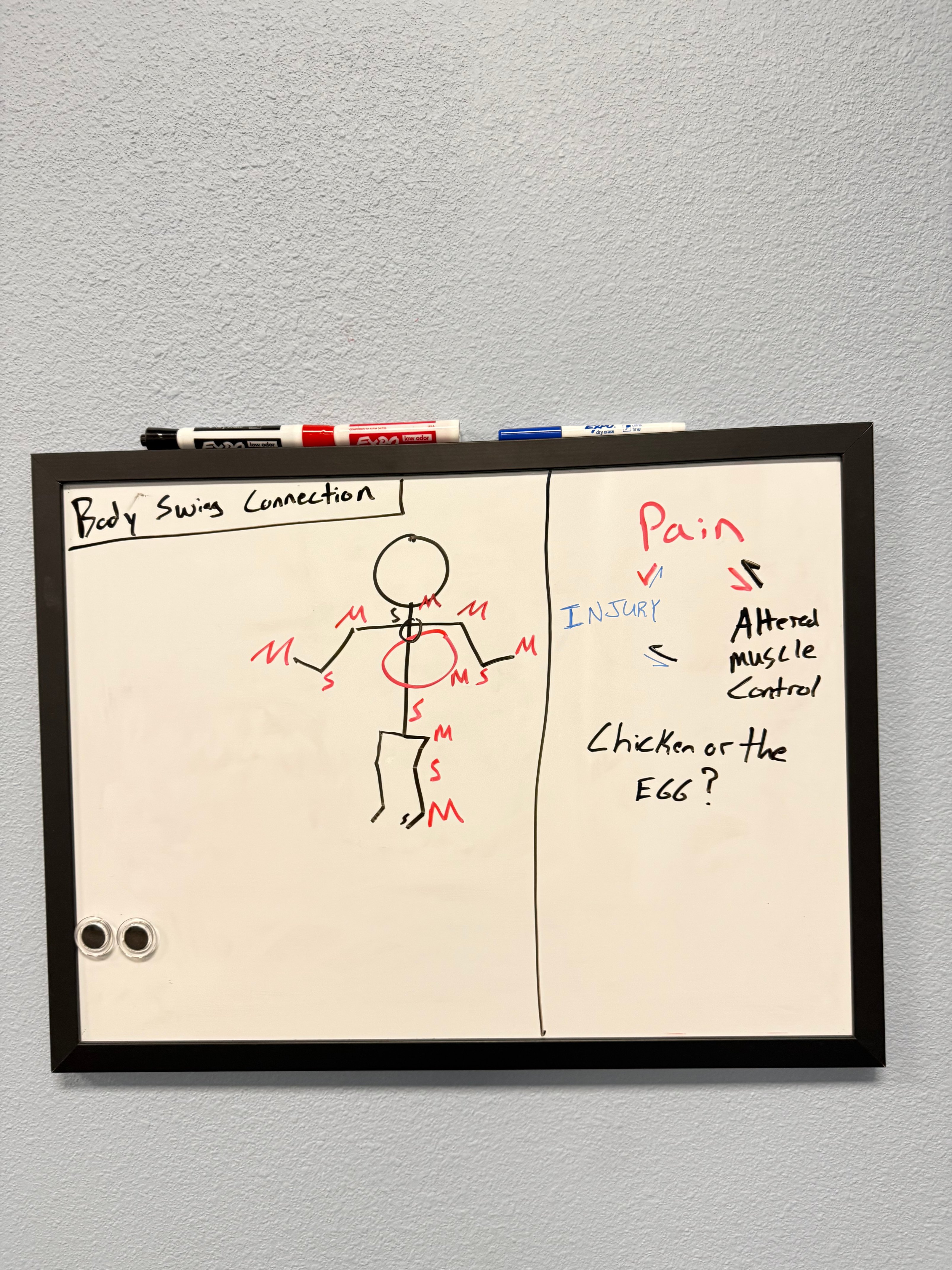
Body Swing Connection: The Key to Efficient, Powerful Movement
If you’ve ever felt like your swing lacks fluidity, power, or consistency, the missing piece may not be strength or flexibility—it’s connection. Body swing connection refers to how well your body segments work together as a unified system rather than disconnected parts. When your body moves in sync, you generate effortless power, reduce injury risk, and improve overall mechanics.
In this post, we’ll break down what body swing connection really means, why it matters, and how to develop it using simple, actionable concepts.
What Is Body Swing Connection?
Body swing connection is the coordination between your lower body, core, and upper body during a swinging motion. Instead of relying on isolated movements (like just using your arms), a connected swing transfers energy efficiently from the ground up.
The kinetic chain:
- Ground → Feet → Hips → Core → Shoulders → Arms → Club/impact
When one link is out of sync, energy leaks occur—resulting in weaker, less controlled movement.
Why Connection Matters
A well-connected swing improves:
- Power generation – Energy flows seamlessly through the body
- Consistency – Repeatable movement patterns
- Balance and stability – Better control throughout the motion
- Injury prevention – Reduced strain on isolated joints
- Efficiency – Less effort for greater output
Disconnected movement often leads to over use of the arms, early fatigue, and compensations that can cause pain over time.
Key Components of a Connected Swing
1. Ground Force Utilization
Your swing begins from the ground. Proper pressure shift and foot stability allow energy to travel upward.
2. Hip and Torso Synchronization
The hips initiate movement while the torso follows in sequence—not simultaneously and not independently.
3. Core Engagement
Your core acts as the transmission system, linking lower and upper body movement.
4. Arm-Body Integration
The arms should not dominate the movement—they respond to the motion generated by the body.
5. Timing and Rhythm
Connection isn’t just positional—it’s temporal. Proper timing ensures each segment fires in the correct order.
Common Signs of Disconnection
- Overusing the arms or shoulders
- Loss of balance during the swing
- Poor timing or rushed transitions
- Inconsistent contact or direction
- Lack of power despite effort
If any of these sound familiar, your body segments may not be working together efficiently.
Building Better Mechanics Over Time
Improving body swing connection isn’t about forcing positions—it’s about training your body to move as an integrated system. Start slow, focus on sequencing, and gradually increase speed while maintaining connection.
Consistency comes from repetition with awareness.
Focus on:
- Sequencing over speed
- Coordination over strength
- Flow over force
Master these, and your body mechanics will naturally improve.
Test your Golf Performance and Fitness through our quiz